In the world of professional imagery, the journey from a raw capture to a polished masterpiece is often a two-person play: the photographer and the editor. While the photographer skillfully captures the moment, the editor refines, enhances, and often transforms that capture into its final, impactful form. True success in delivering exceptional visual content hinges on a seamless synergy between photographers and editors, built on clear communication, a shared vision, and effective feedback loops.
The Photographer’s Vision Meets the Editor’s Craft
A photographer’s vision begins long before the shutter clicks. They consider lighting, composition, and the intended mood. However, even the most perfect shot can benefit immensely from expert post-processing. This is where the editor steps in, translating that initial vision into reality with precision and artistry.
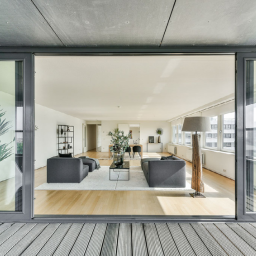
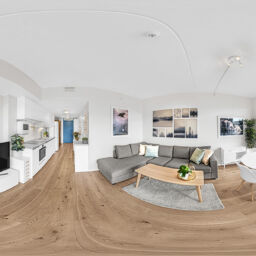
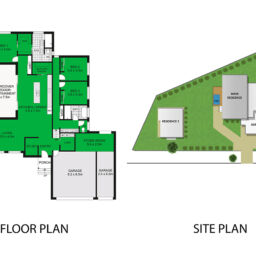
For instance, in real estate image enhancement, a photographer captures the property’s essence, but an editor elevates it. They correct lens distortions, ensure color accuracy, and meticulously balance exposures to highlight every detail. This collaboration means the photographer can focus on capturing a wide array of angles and lighting scenarios, knowing that the editor will handle the technical perfection in post-production.
Communication: The Cornerstone of Collaboration
The most critical element in this partnership is clear communication. Before a shoot, photographers and editors should discuss the project’s goals, desired aesthetic, and any specific client requirements. Are we aiming for a bright, airy feel or something moody and dramatic? Understanding these nuances upfront prevents costly revisions and ensures alignment.
During the editing process, this communication continues through effective feedback loops. Instead of vague instructions, photographers should provide specific, actionable feedback on edits. For example, “Can we warm up the greens slightly in the backyard, similar to the mood board?” is far more helpful than “Make it look better.” Editors, in turn, should ask clarifying questions and offer technical insights on what’s feasible and how certain edits might impact the overall image. This back-and-forth refines the final product.
Elevating Images: Beyond Basic Retouching
The power of synergy truly shines when editors leverage their specialized skills to enhance a photographer’s work dramatically. Consider common real estate challenges: a gloomy sky or a cluttered room. A skilled editor can perform a precise sky replacement to inject vibrancy into a dull exterior shot, or execute a flawless day to dusk conversion to create an inviting, twilight ambiance that can significantly boost a property’s appeal.
Similarly, image decluttering removes distracting elements from a scene, allowing the viewer’s eye to focus on the key subject. For architects and interior designers, virtual staging by an editor can transform an empty space into a fully furnished, aspirational environment, directly impacting buyer interest. These advanced techniques go beyond basic retouching, adding immense value that wouldn’t be possible without a strong collaborative effort.
Building a Strong Partnership for Consistent Quality
Ultimately, a strong partnership between photographers and editors leads to consistent, high-quality results. Photographers gain confidence knowing their vision will be expertly realized, and editors benefit from clear direction and a deeper understanding of the photographer’s artistic intent. This synergy not only streamlines the workflow but also allows both parties to play to their strengths, delivering visual content that truly stands out in today’s competitive market.
By fostering this collaborative environment, photographers and editors don’t just produce images; they craft compelling visual narratives that captivate audiences and achieve client objectives. It’s an investment in efficiency, quality, and ultimately, shared success.