In today’s visual culture, the demand for inclusive and authentic imagery has never been stronger. Audiences crave real, diverse, and unfiltered moments that celebrate the depth of human experience beyond polished, idealised portrayals. This shift reflects a growing recognition of representation’s power in storytelling, branding, and social dialogue. For photographers and editors, embracing authenticity means both capturing genuine moments and using photo editing techniques honourably—enhancing without erasing individuality or truth.
The rise of inclusivity in imagery breaks away from stereotypes, stereotypes, and unrealistic expectations. It emphasises diversity across race, age, body types, ability, and culture, portraying people as they truly are. This authenticity fosters deeper connections with audiences, enhancing relatability and trust. Documenting unfiltered moments—real expressions, imperfections, and candid interactions—forms the heart of this creative movement.
Capturing such images requires patience and sensitivity. Photographers prioritise creating comfortable environments where subjects feel seen and respected. The goal is to tell stories through natural light, spontaneous composition, and unobtrusive observation that reveals honest emotions. The photographic frame becomes a place where diversity and truth unfold organically.
Once images are captured, photo editing plays a crucial role in maintaining and emphasising authenticity. Key techniques for this include subtle digital photo enhancement—brightening eyes, balancing skin tones, and adjusting exposure without heavy retouching. Rather than item removals or drastic alterations, editors focus on refining the image while preserving natural textures and character.
Image masking and clipping path tools allow editors to isolate areas for precise corrections, such as softening shadows on faces or adjusting background distractions carefully. The editorial touch encourages a polished yet truthful aesthetic that amplifies the story without distorting reality.
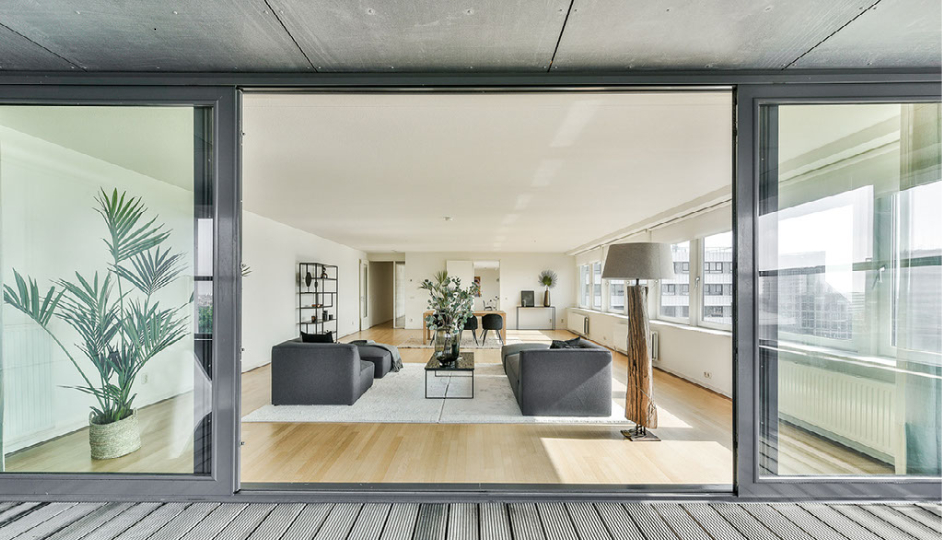
Technology also supports this mission. Modern virtual staging techniques in commercial photography, for example, honor authentic interiors by respectfully enhancing environments without over-sanitisation. In portraiture, AI-powered apps offer intelligent enhancements that respect skin diversity and texture instead of flattening uniqueness.
Representation expands beyond identity alone to also include diverse storytelling styles. Photographers increasingly highlight everyday moments, cultural rituals, and community bonds, utilizing editing choices that amplify mood and atmosphere authentically. Techniques such as sky replacement and day to dusk editing add emotional layers without artificiality or disconnection.
Audiences respond powerfully when they see life in all its dimensions—joy, struggle, resilience, and beauty in imperfection. The challenge for creatives lies in balancing technical mastery with the ethical imperative to respect subjects’ humanity fully.
In summary, inclusive and authentic imagery isn’t simply a trend; it embodies a vital evolution in visual storytelling. Photos that capture and celebrate unfiltered moments demand thoughtful photo editing approaches that enhance while honoring truth and diversity. Creators who embrace this ethos contribute to a more equitable image culture that resonates genuinely, sparks empathy, and reflects the richness of our shared human experience.
Hashtags: #AuthenticPhotography #InclusiveImages #RealStories #PhotoEditing #DiversityMatters